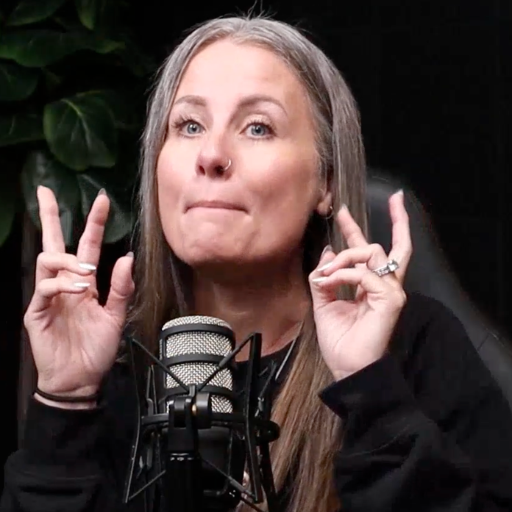
Change: Why Weightlifting Is the Weight Loss Move GenX Women Keep Sleeping On
Liz breaks down why picking up weights changed her fitness journey — and the exact gear she keeps coming back to.
This post contains affiliate links. I may earn a commission at no extra cost to you.
Quick Verdict
Lifting weights changed my body in ways that cardio never did — and once I had the right gear dialed in, the whole journey shifted. This is the stuff I keep coming back to, and yes, I put it on my storefront for a reason. Check the current price at the link and see if it fits where you are in your fitness journey.
Get it if you:
- Are a woman in your 40s or 50s starting or returning to weightlifting
- Want gear that supports a real, consistent fitness routine
- Are tired of cardio-only approaches that stopped producing results
- Need motivation backed by something you can actually hold in your hands
Skip if you:
- Are brand new to fitness and haven’t sorted out a basic routine yet
- Prefer a purely cardio-based approach and have no interest in lifting
- Are looking for a magic shortcut rather than a real change in habits
One Word. One Shift. One Decision That Kept Paying Off.
Change. That’s the whole post. That’s the whole video. One word, and if you’ve been in the fitness space for any amount of time as a woman past 40, you know exactly why that word hits differently.
I didn’t come to weightlifting because I was already athletic. I came to it because everything else stopped working. Cardio plateaued. My weight stayed stuck. My energy was in the floor. And at some point, you have to ask yourself whether you’re going to keep doing the thing that isn’t working or try the thing that might.
Picking up weights was that shift for me. And the gear I use to support that practice — the stuff I’ve tested, kept, and actually put on my storefront — matters more than most people give it credit for. Not because any piece of equipment is magic, but because friction kills motivation. When your setup is a fight, you skip the session. When it works, you show up.
Here’s what I know and what I want to walk you through.

What “Women Who Lift” Actually Looks Like Past 40
There’s a version of weightlifting that gets sold to women online — ripped, 25, protein shake in hand, no kids, no desk job, plenty of sleep. That’s not most of us. Most of us are GenX women who are trying to hold onto muscle mass as our bodies change, manage stress through movement, and find a routine that doesn’t require six hours a week we don’t have.
That’s the lens I look at fitness gear through. Does it work for a real life? Does it hold up? Does it make the habit easier, not harder?
Weightlifting specifically works for women over 40 for a few reasons worth knowing. Muscle mass protects your metabolism as you age. Strength training supports bone density in a way that running simply doesn’t. And lifting, done consistently, reshapes your body in a way that months of cardio sometimes can’t touch. That’s not hype — that’s what the research shows, and it’s what I’ve experienced personally.
But none of that matters if you’re not actually doing the sessions. And that’s where your setup comes in.
The Fitness Journey Gear That Stays in My Rotation
I put things on my storefront that I’ve used, tested, and kept. Not everything I try makes the cut. The stuff that does earns its spot by surviving real use — sweaty sessions, repeated washings, getting thrown in a gym bag, getting used on a Tuesday when I’m tired and motivation is low.
The items I link to through this storefront link are the ones I’d tell a friend about in person. That’s the filter. If I wouldn’t recommend it to someone in my actual life, it doesn’t go on the list.
For a lifting-focused routine, what matters most comes down to a few categories. Support gear — the things that help your joints, your grip, your form hold up over time. Recovery tools — because you can’t keep showing up if your body isn’t recovering. And the motivational layer — the small stuff that makes your space feel like somewhere you want to be.
The storefront reflects all three. Check the current pricing on anything that interests you, because it shifts, but the picks themselves have been stable.
Motivation Isn’t the Problem You Think It Is
Here’s the assumption I want to challenge: that you need more motivation to get started or stay consistent. You probably don’t. What you need is less friction.
Motivation is a feeling, and feelings are unreliable. On a Wednesday at 6pm after a full work day, motivation is not going to carry you. Systems will. And systems are built from small, concrete decisions — where you put your workout clothes the night before, whether your equipment is accessible or buried in a closet, whether your space feels like a place you want to be in or a place you’re tolerating.
That’s the unsexy truth of a fitness journey. It’s not about the biggest moment of inspiration. It’s about removing every tiny reason you give yourself to skip. Good gear is part of that. It signals to your brain that this is a real priority, not a passing phase.
I’ve been doing this long enough to know the difference between a tool that supports the habit and one that becomes just another thing taking up space in a corner. The former is worth spending on. The latter isn’t worth buying at any price.
The Part of Women’s Fitness Content Nobody Talks About
Most fitness content aimed at women is either too soft or completely ignores the specific challenges of our bodies at this stage of life. Perimenopause. Changed recovery windows. Joint considerations that didn’t exist in our 30s. The fact that what worked five years ago might not work now, and that’s not failure — it’s biology.
Weightlifting, specifically, is one of the most well-researched interventions for women navigating these changes. It supports hormonal balance, helps with sleep quality, builds the functional strength that makes everyday life easier, and provides a mental health anchor that cardio sometimes doesn’t deliver with the same consistency.
But the gear conversation matters here too. Joint support matters more past 40. Recovery tools earn their keep in a way they might not have when you were 28. And the right footwear, grip support, and setup all affect whether you can keep training consistently or whether you’re constantly managing small injuries and setbacks.
I picked up on this the hard way — training through discomfort I could have avoided with the right equipment. Now I approach this differently, and it shows in what I recommend.
Get it now
Liz’s Fitness Storefront Picks
SEE IT ON MY STOREFRONTThis post contains affiliate links. I may earn a commission at no extra cost to you.


This Is Who the Storefront Is Built For
Let me be direct about who I’m speaking to when I make these picks, because it matters.
If you’re a woman in your 40s or 50s who is either returning to fitness after time away or is currently trying to break through a plateau — this is for you. If you’re doing cardio and wondering why the scale isn’t moving the way you expected, this is for you. If you’ve been told that lifting will make you “bulky” and you’re still not sure what to believe — this is definitely for you.
The women who get the most out of a lifting-focused approach are usually the ones who are done being pushed toward whatever the trending workout is this month. They want something that works with their body, not against it. They’re willing to be patient. And they want gear that respects that seriousness rather than treating them like a beginner who needs everything simplified.
That’s the reader I’m writing for. That’s who the storefront is built for.
On the flip side — if you’re brand new to any kind of exercise and haven’t yet developed a basic routine at all, the gear conversation is premature. Build the habit first, even if it’s imperfect. Equipment comes after you know what you’re doing enough to have opinions about what you need.
Lifting vs. Other Approaches: The Trade-Offs
Cardio isn’t useless. I want to be clear about that. Walking, cycling, swimming — all of it has cardiovascular benefits that lifting alone doesn’t fully replicate. The heart is a muscle too, and it needs that kind of work.
But for body composition, specifically — for the ratio of muscle to fat and the metabolic effects that come with it — resistance training wins. It’s not close. And for women in perimenopause and beyond, the bone density benefits of weight-bearing exercise are something cardio simply can’t match with the same efficiency.
The trade-off with lifting is time investment and learning curve. You have to learn form. You have to understand progressive overload. You have to accept that some weeks you’ll feel like you’re going backwards before you go forwards. That’s the deal.
Yoga and Pilates sit in a different lane — excellent for flexibility, mobility, and mental health, but not a replacement for progressive resistance work if your goal is muscle retention and weight management. They work beautifully alongside lifting. They don’t replace it.
If you’ve been doing group fitness classes and hitting a wall, that’s usually the sign. Adding structured lifting — even two days a week — is often the variable that starts moving things again.
Before You Click the Link, Read This First
A few things I wish someone had told me before I started investing in fitness gear.
Don’t buy everything at once. Start with what solves an immediate friction point in your current routine. If you’re skipping sessions because your grip gives out before your muscles do, that’s a grip problem worth solving. If you’re cutting workouts short because your joints ache, that’s a support problem. Target the specific gap first.
Quality over volume, always. Three things you’ll actually use beats twelve things you bought in an optimistic weekend shopping spree that now live in a bin. Be ruthless about what earns space in your setup.
Check the current price when you click through — I keep the storefront updated but prices on Amazon fluctuate, and sometimes you’ll catch a deal that makes an upgrade even easier to justify. See today’s pricing on the product page before you decide.
And give yourself the grace of a real timeline. The women I see making genuine, lasting changes with weightlifting are the ones who commit to twelve weeks minimum before evaluating whether it’s working. Six weeks isn’t enough. Your body needs time to adapt. Change is real, but it’s not fast.
Frequently Asked Questions

Is weightlifting safe for women over 40?
Yes, and it’s one of the most recommended forms of exercise for women in this age group. The key is starting at an appropriate weight, learning proper form, and progressing gradually. If you have existing joint issues, check with your doctor first, but don’t assume lifting is off-limits.
Will lifting weights make me bulky?
No — and this myth has kept too many women away from the most effective training method for body composition. Women don’t have the testosterone levels required to build bulk easily. What you’ll build is lean muscle that makes you look and feel stronger, not bigger.
How often should I be lifting to see results?
Two to three sessions a week is a solid starting point for most women. You don’t need to be in the gym every day. Consistency over weeks and months matters far more than frequency in any given week.
What gear do I actually need when I’m starting out?
Less than you think. A pair of adjustable dumbbells or access to a basic weight set covers most bases for a beginner. A supportive pair of flat-soled shoes matters more than most people realize. Everything else can come as you figure out what your specific routine needs.

How is weightlifting different for women going through perimenopause?
Recovery takes longer, so rest days are non-negotiable, not optional. Sleep quality and nutrition become more important than they were in your 30s. The benefits of lifting actually compound during this phase — bone density, metabolic support, mood regulation — which is exactly why it’s worth prioritizing right now rather than waiting until “later.”
How do I find the right items on the storefront for my level?
Start by identifying your biggest friction point — what’s making you skip sessions or cut them short? That’s the gap to solve first. Browse the storefront with that specific problem in mind rather than trying to grab everything at once. Check the current price on anything that catches your eye before committing.
Get it now
Liz’s Fitness Storefront Picks
SEE IT ON MY STOREFRONTThis post contains affiliate links. I may earn a commission at no extra cost to you.